Lifestyle and Wellness

Testosterone for women

Testosterone for women

There is so much online about testosterone for women, but what is it exactly? Here’s what you need to know. What is testosterone? Testosterone is a hormone that people traditionally think just belongs to men, but it doesn’t! Women have it too.  In fact, women produce 3-4 more testosterone in their body than oestrogen during […]

Testosterone for women Read More »
midlife changes

I’m not sleeping, I’m not myself: How to talk to a GP about midlife changes

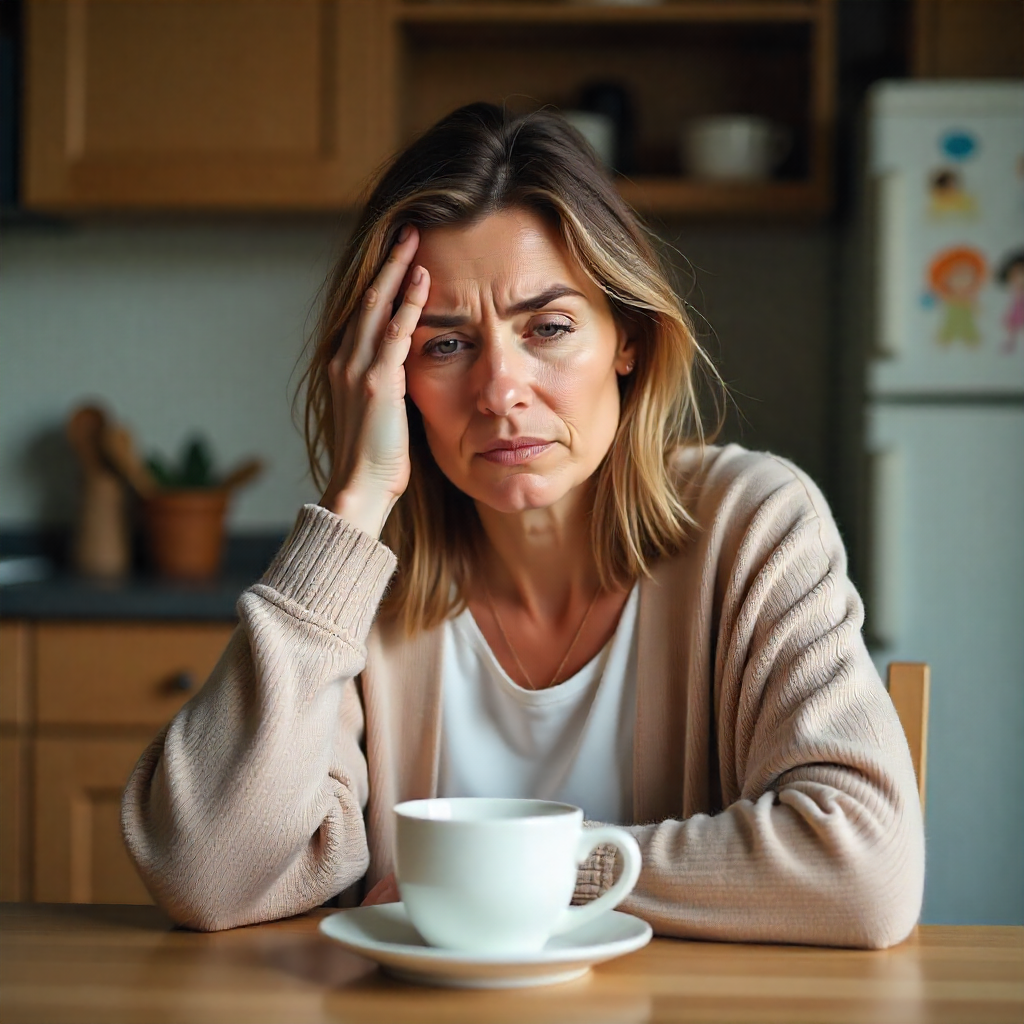
Do You Feel Like You Are Losing Yourself? Waking at 3am for the third night in a row. Feeling flat, anxious, or unlike yourself. Snapping at people you love, forgetting words, or struggling to concentrate. Many women reach midlife feeling confused, exhausted, and quietly worried — yet unsure how to explain what’s happening or whether

I’m not sleeping, I’m not myself: How to talk to a GP about midlife changes Read More »

Low Ferritin in Women

Low Ferritin in Women: Why “Normal” Levels Can Still Cause Symptoms

Iron deficiency is one of the most common nutritional problems affecting women, and certainly really commonly seen in our clinic, yet it is frequently misunderstood and missed. Many women are told their blood tests are “normal” despite ongoing symptoms such as fatigue, hair thinning, breathlessness, or brain fog. One key reason is that iron and

Low Ferritin in Women: Why “Normal” Levels Can Still Cause Symptoms Read More »

Surrogacy in the UK

Surrogacy in the UK: What You Really Need to Know Before You Start

Surrogacy is becoming a more visible and talked-about path to parenthood, but for many people, it’s still one of the least understood. I sat down with two specialist fertility and surrogacy solicitors to unpack what surrogacy in the UK actually involves, what often surprises people, and why getting the right advice early can make all

Surrogacy in the UK: What You Really Need to Know Before You Start Read More »

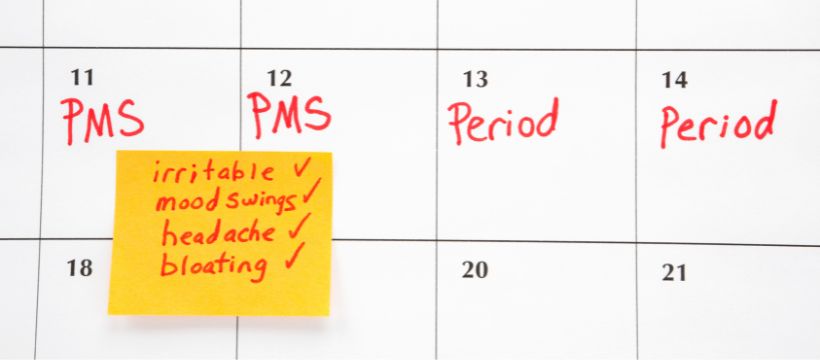
Progesterone Intolerance: Symptoms, Causes and What You Can Do

Progesterone intolerance is an increasingly recognised reason why some women feel worse rather than better during the second half of their menstrual cycle, when starting contraception, or when using hormone replacement therapy (HRT). If progesterone is meant to be the “calming” hormone, why does it sometimes cause anxiety, low mood, rage, bloating, or a sense

Progesterone Intolerance: Symptoms, Causes and What You Can Do Read More »

endometriosis and fatigue

Endometriosis and Fatigue: What Your GP Might Be Missing

Is Endometriosis and Fatigue Affecting Your Life? Fatigue is one of the most common and most life-altering symptoms of endometriosis — yet it’s also one of the least understood. Many women describe tiredness so heavy it feels impossible to shake, even after rest. But because fatigue is linked to so many conditions, it can sometimes

Endometriosis and Fatigue: What Your GP Might Be Missing Read More »

Pelvic pain

What Is Pelvic Pain? Causes, Symptoms, and When to Seek Help

Pelvic pain is a common concern for many women, but it’s often misunderstood or dismissed. At The Female Health Doctor Clinic in Milton Keynes, we’re passionate about empowering women with evidence-based advice and personalised care. In this guide, we’ll explore what pelvic pain is, what causes it, and how you can find relief. What Is

What Is Pelvic Pain? Causes, Symptoms, and When to Seek Help Read More »

AMH blood test

AMH Blood Test: What It Is, What Your Levels Mean, and When to Test

What Is the AMH Blood Test? The AMH blood test (Anti-Müllerian Hormone test) is a simple blood test that measures the level of AMH produced by the follicles inside your ovaries. AMH is one of the most reliable markers of ovarian reserve, essentially, it helps estimate how many eggs you have remaining. Unlike many other

AMH Blood Test: What It Is, What Your Levels Mean, and When to Test Read More »

Different Ways to Take the Combined Pill | A Complete Guide

If you’re taking the combined contraceptive pill, you might be surprised to learn there is more than one safe and effective way to use it. While many people follow the traditional “21 days on, 7 days off” schedule, NHS guidance shows that alternative regimens, including extended use and continuous use, can be just as safe

Different Ways to Take the Combined Pill | A Complete Guide Read More »

Scroll to Top
Verified by MonsterInsights